.png?width=765&height=430&name=88%20(1).png)
.png?width=500&height=500&name=134%20(1).png)
Answer engine optimization trends B2B brands should adopt
Site size sets the baseline because every page is a potential surface for an answer engine to cite, and a larger site means more pages to audit and restructure before you can add schema to them. A 40-page site might take a weekend of structural work, whereas a 4,000-page library can become a multi-month project before you write a single new word. Content volume is the ongoing driver, since AEO rewards genuinely useful answers to real questions, and producing those answers at a steady cadence is where most of the recurring spend goes. Tooling is the variable you control most directly, ranging from free baseline graders up to enterprise platforms that track your visibility across every major engine. Expertise is the largest swing factor of all, because whether you hire an agency, a specialist, or train an existing team changes the total by an order of magnitude.
The reason the ranges look so wide in any AEO pricing discussion is that these four inputs combine differently for every team. A lean startup with a small site and one capable writer can run a credible program for the cost of a couple of tool subscriptions, while an established company with a sprawling site and aggressive publishing goals is funding a full content operation. Knowing which of these four levers is biggest for you is the first step in setting a number you can defend to a stakeholder.
VIDEO TRAINING
Get the Growth Playbook.
Learn to plan, budget, and accelerate growth with our exclusive video series. You’ll discover:
 The 5 phases of profitable growth
- 12 core assets all high-growth companies have
- Difference between mediocre marketing and meteoric campaigns
.png?width=798&height=842&name=Playbook%20(1).png)
Thanks for submitting the form!
How do you adapt an existing SEO budget for AI search optimization?
The most practical way to fund AI search is to adapt your existing SEO budget instead of going back to ask for net-new money, because most of what makes content rank in AI answers overlaps with what already makes it rank in search. Strong, well-structured, authoritative content serves both, so a large share of your current SEO spend is already doing double duty whether you've labeled it that way or not.
Start by treating AEO as a reallocation of money you already spend. The technical work you already fund, things like clean information architecture, fast pages, and structured data, feeds answer engines directly, so that line item simply expands its mandate. The content budget shifts in emphasis toward answer-first formatting and standalone passages with question-based headers that an engine can lift cleanly, which mostly changes how your team writes without raising what you spend. The piece that usually does require fresh budget is visibility tracking, since traditional rank trackers don't tell you whether ChatGPT or Perplexity is citing you, and that's a new category of tool to license.
A reasonable split for a team coming from a mature SEO program is to keep the bulk of the budget where it is and carve out 15% to 30% for AEO-specific tooling and content adaptation in the first year. That percentage front-loads while you're auditing the existing library and standing up tracking, then settles once AEO formatting becomes the default way your team works rather than a separate initiative. The teams that struggle are the ones treating AI search as a wholly separate program with its own headcount and stack, because that duplicates work the SEO budget is already paying for.
How much does DIY AEO cost?
Running AEO yourself costs roughly $0 to $500 a month, almost all of it in tooling, with the real cost being the time your team spends on the work. This path fits teams with a small-to-medium site, someone in-house who can write well, and the patience to learn the discipline as they go.
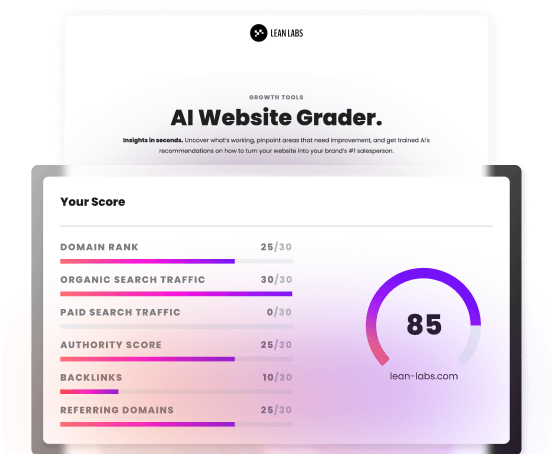
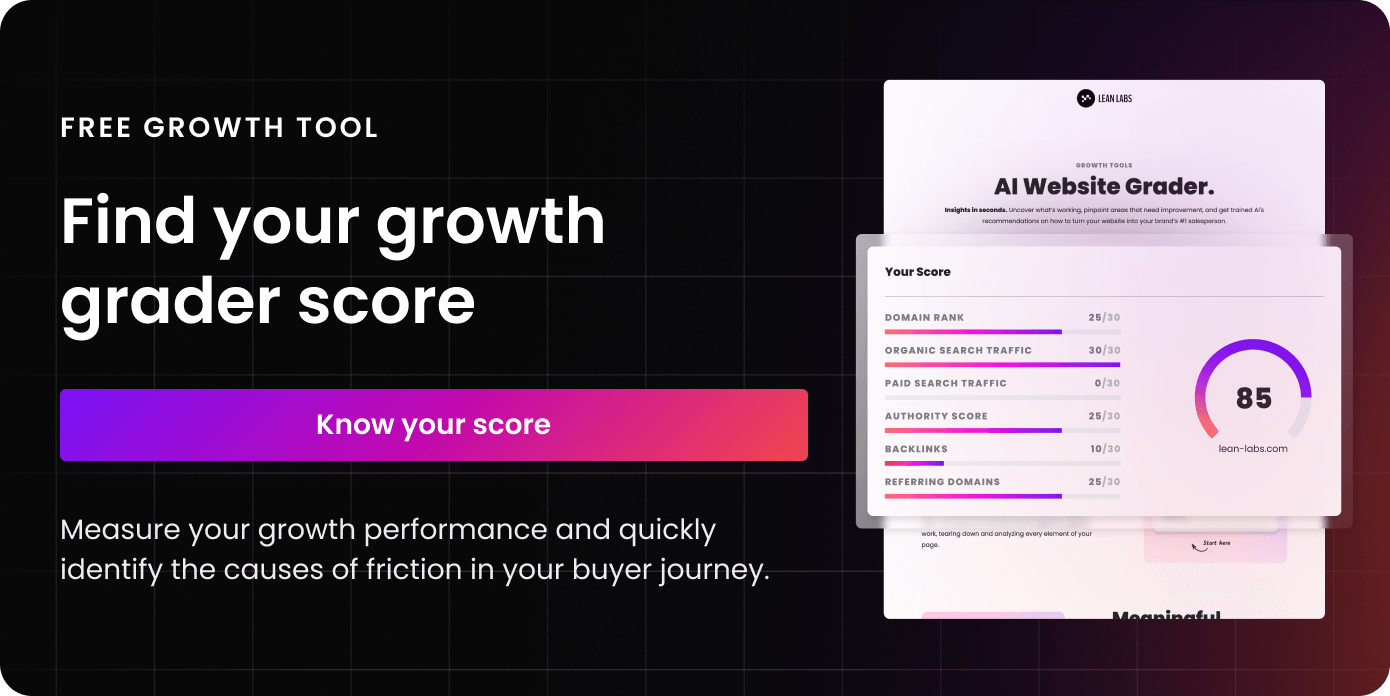
The tooling at this tier starts with free baselines and climbs to a few modest subscriptions. HubSpot's AI Search Grader, for example, gives you a free read on how AI engines currently describe your brand, which is a sensible first move before you spend anything. From there you might add a content optimization tool to guide your writing against target queries and a lightweight visibility tracker to see whether your work is landing. The published-software cost stays low; what you're really spending is the analyst and writer hours to query engines, format content, implement schema, and check results on a recurring basis.
DIY is genuinely the right fit for a lot of teams, especially early on. The trade-off is speed and depth: you'll move slower while you learn which optimizations actually move the needle, and you'll be making judgment calls without a practitioner's pattern recognition behind them. For a focused site and a motivated team, that's a perfectly reasonable way to start, and it gives you firsthand understanding of the work before you ever consider paying someone else to do it.
How much do AEO tools and platforms cost?
AEO tools and platforms range from free up to four-figure monthly subscriptions, depending on whether you're buying a single-purpose tool or an end-to-end platform that tracks, optimizes, and reports in one system. Pricing in this category moves quickly and most vendors gate their real numbers behind a demo, so verify current figures directly rather than trust a number that will be stale by the time you read it.
A few patterns hold across the market. Single-purpose tools that handle one slice of the loop, like a visibility tracker or a content grader, sit at the lower end and are often priced per seat or per tracked domain. End-to-end platforms that combine cross-engine tracking, content recommendations, and reporting cost more because you're paying for the integrated workflow and the engine coverage behind it. Enterprise tiers add prompt volume, more engines, API access, and white-label reporting for agencies, which is where the four-figure monthly numbers come from. The "geo platforms pricing model" most vendors use scales with how many prompts you track and how many engines you monitor, so your cost rises with the breadth of your measurement.
The way to keep tool spend honest is to buy for the program you're actually running today, since the platform you imagine scaling into can usually wait until you're there. A small program rarely needs a full platform, so a couple of focused tools plus a free baseline will do. The platform earns its license once you're tracking hundreds of prompts across multiple engines and the overhead of stitching separate tools together costs more analyst time than the integrated product does.
How much does an AEO agency cost?
Hiring an AEO agency typically costs $3,000 to $15,000+ a month for an ongoing managed program, with one-off audits and setup projects priced separately depending on site size and scope. You're paying for both the tooling and, more importantly, the practitioner judgment to interpret what the tooling surfaces and turn it into content and technical changes that actually get cited.
The range reflects scope more than anything else. At the lower end you get visibility tracking, a content cadence focused on your highest-value queries, and ongoing schema and structural work. At the higher end you get broader engine coverage, a larger content operation, competitive benchmarking, and reporting built for a stakeholder who needs to see the program justify itself. The number scales with how many pages you're optimizing, how much net-new content you want produced, and how fast you want to see movement.
To put agency pricing in context against the broader web work it often sits alongside, our programs and pricing give a useful reference point for how we scope investment. A design blueprint, our four-week sprint that establishes visual direction for one key page, runs $6,000 to $12,000 across three tiers (Improve, Impress, and Inspire). A full website build runs $30,000 to $70,000+. Those are fixed-scope projects and AEO is an ongoing program, but the same principle applies, because the price tracks the scope and the depth of expertise behind the work. A managed program tends to produce faster, more defensible gains, which is what you're paying the higher number for when speed matters; a self-run program fits when you have the in-house capacity and time to learn the discipline at your own pace.
What does a realistic AEO budget look like?
A realistic AEO budget depends on which path fits your situation, so the table below maps the three common approaches to typical monthly ranges and the factors that move the number within each. Treat the ranges as planning figures and verify tool and agency pricing directly, since both move quickly in this category.
|
Approach |
Typical monthly range |
What drives the cost |
|
DIY (in-house, light tooling) |
$0–$500 |
Mostly tool subscriptions; the real cost is your team's time on writing, schema, and tracking |
|
Tools and platforms (self-run with software) |
A few hundred to four figures |
Number of prompts tracked, engines monitored, and whether you buy point tools or an end-to-end platform |
|
Managed agency program |
$3,000–$15,000+ |
Site size, content volume produced, engine coverage, reporting depth, and the seniority of the people running it |
The pattern across all three is that the recurring content work is what carries the budget, while the software is a smaller and more predictable line. Tools tell you where you stand and what to fix, but the cost that compounds is producing genuinely useful answers at a steady cadence and keeping your site's structure and schema clean as it grows. Whichever path you choose, budget for that ongoing work first, because a tracking dashboard nobody acts on becomes a recurring cost with nothing to show for it.
When we help a client size their number, we frame it around the cost of doing nothing as much as the sticker price itself, since the visibility you give up while you wait has a real price too. The right budget is the one that funds the recurring loop you can actually sustain, then scales as the program proves it's earning its keep, which is the pattern you can see play out across our client results.
Schema markup recommendations
Schema markup belongs in your AEO budget as a technical foundation, because structured data tells answer engines exactly what a page contains and how to interpret it, which makes your content easier to extract and cite. It's one of the highest-return, lowest-cost inputs in the whole program, since the markup itself is cheap to implement and the visibility it protects is significant.
For AEO specifically, prioritize these schema types:
- FAQPage schema on any page structured as questions and answers, since this maps directly to the question-and-answer format answer engines pull from.
- Article schema with explicit author, publish date, and update date, which supplies the author and recency signals engines weigh when deciding whom to trust.
- Organization schema on your brand pages so engines correctly attribute mentions and understand what your company does.
- HowTo schema on process and step-by-step content, which gives engines a clean structure to lift into a procedural answer.
Implementing schema correctly across a large site is detailed work, and errors silently cost you visibility because engines skip markup they can't validate. We built our HubSpot website schema solution to automate structured data across a site so the markup stays accurate as content changes. Whatever method you use, validate your schema with a structured data testing tool and keep it current, because stale or broken markup undermines every other dollar you put into your AEO program.
.png?width=1391&height=668&name=Growth%20Mapping%20Session%20(1).png)
.png?width=500&height=500&name=132%20(1).png)
.png?width=500&height=500&name=131%20(1).png)